Initial Incentives Reshaping Pathways Through Game Choices and Loyalty Progressions
Petra Carter · Sep 19, 2026
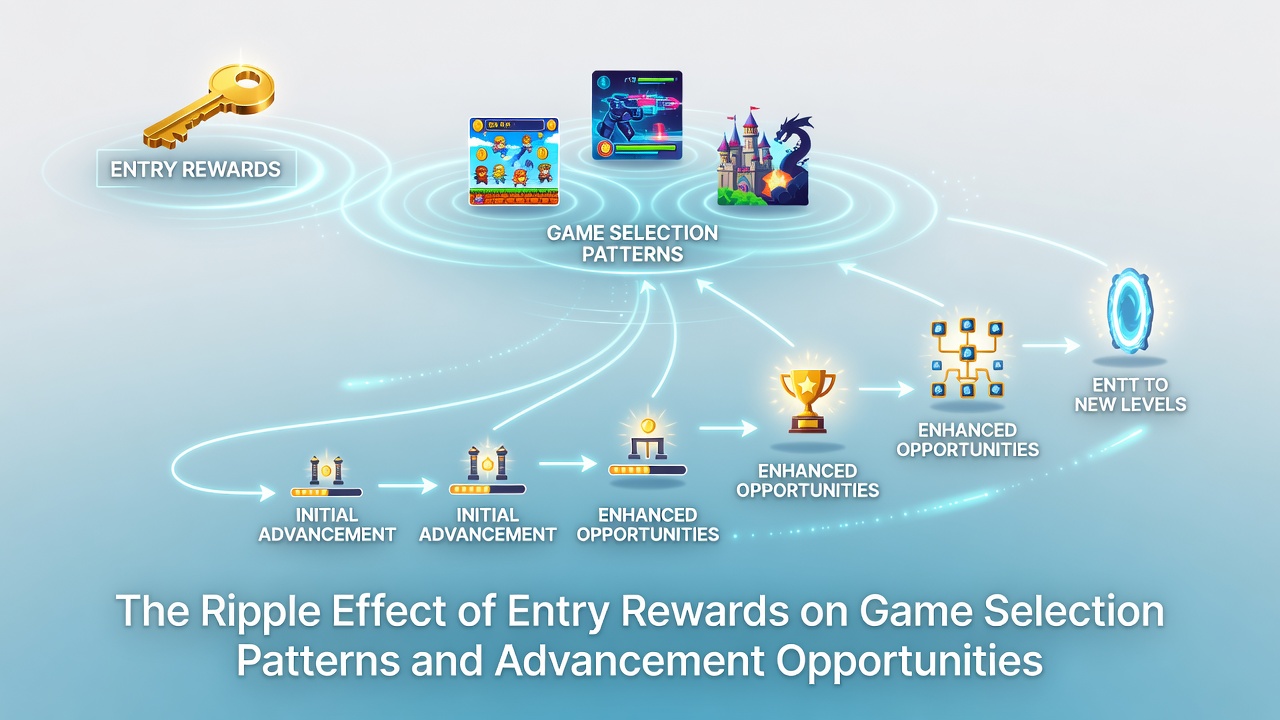
Initial Incentives Reshaping Pathways Through Game Choices and Loyalty Progressions
Entry rewards in digital gaming platforms create measurable shifts in how participants approach game libraries and build toward higher status levels, according to industry tracking systems. These starting incentives, often structured as deposit matches or free spin allocations, direct attention toward specific titles while establishing early momentum in reward accumulation systems. Data from multiple jurisdictions shows that players receiving such offers demonstrate distinct patterns in title selection during the first 30 days of activity.
Mechanics Behind Entry Reward Distribution
Platforms design these incentives to activate quickly, with eligibility tied to account verification or minimal deposit thresholds. Researchers tracking user behavior note that the structure of the reward itself, whether tied to reels or table formats, influences immediate navigation decisions. For instance, offers that highlight reel-based games see elevated engagement rates in those categories during initial sessions, while those promoting table access steer activity toward interactive formats. This distribution mechanism operates through algorithmic prompts that surface eligible games within the interface.
Patterns in Game Selection Following Reward Activation
Studies compiled by gaming analytics firms indicate that entry rewards alter selection sequences in predictable ways. Players who receive reel-focused incentives tend to cluster activity around high-volatility titles initially, then branch into lower-volatility options as balance adjustments occur. In contrast, table-oriented rewards correlate with quicker transitions to live dealer environments once qualification thresholds are met. Observers tracking September 2026 platform updates report that several operators adjusted reward structures ahead of seasonal campaigns, resulting in documented changes to average session durations across game types.
Transaction logs reveal that reward redemption often coincides with extended play periods in the promoted category, yet cross-category movement emerges once base requirements are satisfied. This movement frequently aligns with loyalty point multipliers that become available after the entry phase concludes. Platforms that integrate mobile payment options see faster progression through these early stages, as streamlined deposits reduce friction between reward claim and continued engagement.
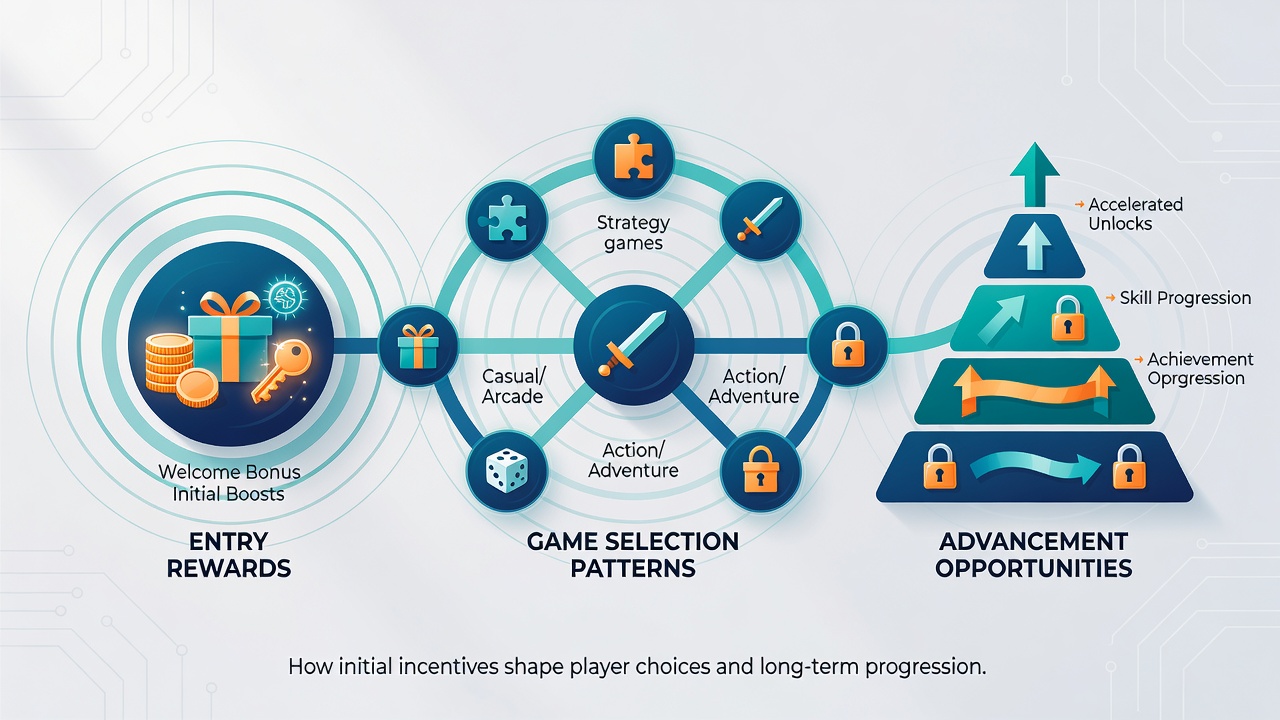
Advancement Opportunities Linked to Early Choices
Advancement systems in these environments rely on cumulative activity metrics, where entry rewards serve as accelerators for point accumulation. Participants who follow reward-guided paths reach intermediate tiers at higher rates during the first quarter of membership, according to aggregated operator reports. Those who diversify selections post-reward activation maintain steadier progress toward hosted table invitations and personalized offers. Data indicates that September 2026 regulatory filings in several regions will require clearer disclosure of how these pathways connect to status upgrades.
One documented case involves operators in regulated North American markets where reward-driven selections led to measurable increases in table game participation among previously reel-dominant users. This shift occurs because many loyalty frameworks assign higher point values to interactive formats, creating an incentive for players to explore beyond their starting category. External analyses from sources such as the New Jersey Division of Gaming Enforcement have tracked similar patterns in monthly activity summaries.
Regional Variations in Reward Impact
European and Asia-Pacific operators apply different weighting to entry rewards compared with North American counterparts, resulting in varied selection outcomes. In markets where regulatory frameworks emphasize responsible play disclosures, reward terms often include explicit timelines for advancement eligibility. Australian regulatory summaries highlight that players receiving portable-device incentives show accelerated movement toward tiered privileges when combined with cross-format promotions. These differences underscore how local rules shape the ripple effects observed in user behavior.
Industry associations tracking global trends note that September 2026 will feature expanded reporting requirements in multiple jurisdictions, potentially standardizing data collection around reward-to-advancement correlations. Such standardization could provide clearer benchmarks for how initial incentives steer long-term engagement sequences.
Conclusion
Entry rewards function as entry points that guide initial game selections and establish trajectories within loyalty frameworks. The connections between these incentives and subsequent advancement opportunities depend on platform design, regional regulations, and player response patterns. Continued monitoring through 2026 will clarify how these dynamics evolve across different operating environments.