From Reel Spins to Hosted Tables: How Tiered Rewards Build Player Pathways in Casino Programs
Jonas Roth · Oct 31, 2026
From Reel Spins to Hosted Tables: How Tiered Rewards Build Player Pathways in Casino Programs
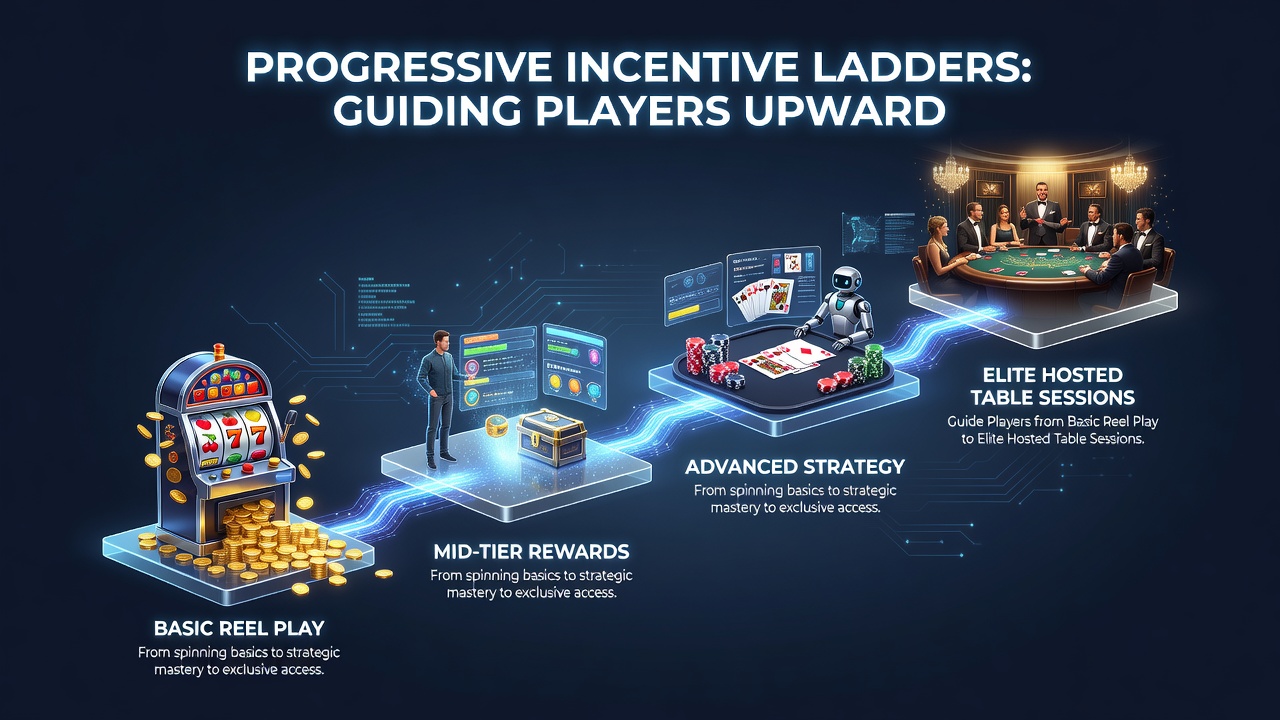
Progressive incentive ladders operate through structured point accumulation systems where basic reel activity feeds directly into elevated status levels, and operators track spin volume alongside wager size to determine advancement. Data from multiple jurisdictions shows these systems convert routine slot participation into invitations for dealer-hosted sessions by setting clear thresholds for each tier, with players advancing once cumulative activity meets predefined benchmarks.
Mechanics of Point Collection and Tier Advancement
Slot machines award points based on coin-in totals, and casinos apply multipliers during promotional windows to accelerate movement up the ladder, while live table games often carry higher point values per dollar wagered once access opens. Observers note that initial tiers require modest reel play volumes, yet subsequent stages demand sustained engagement across both machine and table formats, creating a natural funnel that rewards consistency over single-session spikes.
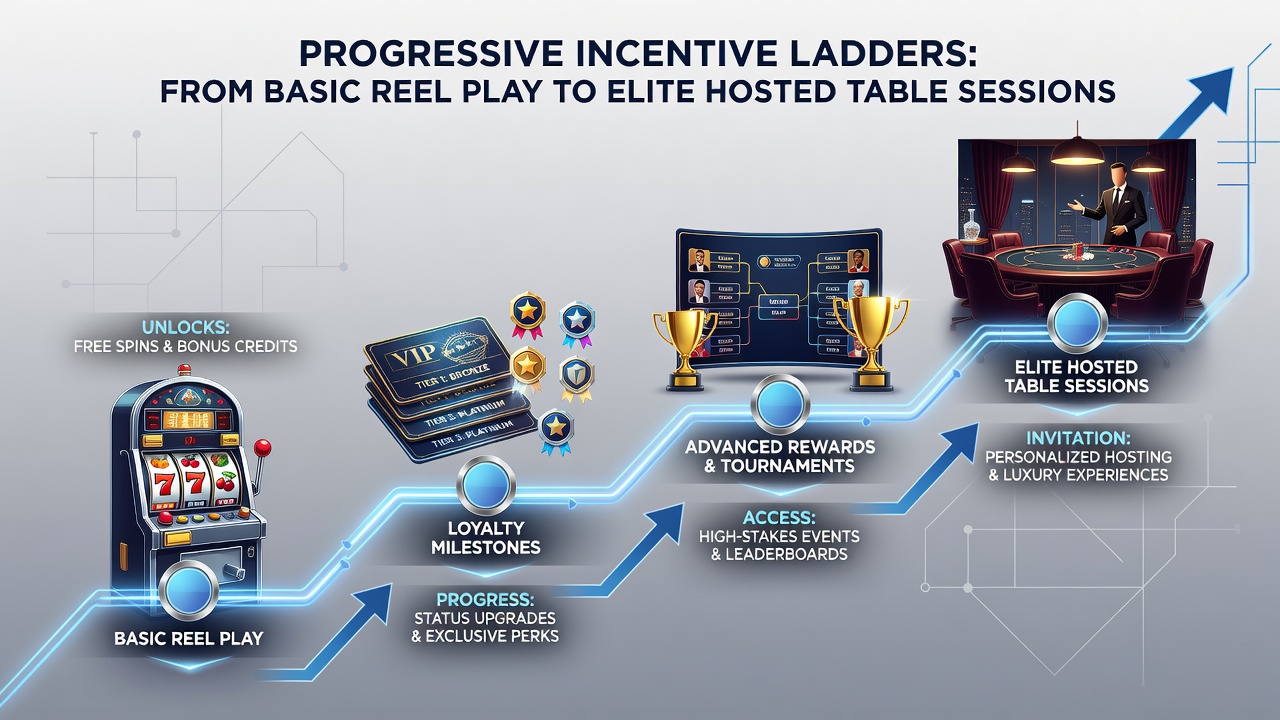
Many programs segment rewards into bronze, silver, gold, and platinum categories, and each step unlocks incremental benefits such as bonus spins, cashback percentages, and eventually personalized host assignments for table play. Figures from state regulatory filings indicate that players who reach mid-tier status within six months of enrollment show higher retention rates compared with those who remain at entry levels.
Transition Points from Machines to Tables
Operators set explicit criteria for table access, and these frequently include a combination of total points earned plus minimum monthly activity requirements. Once players clear these gates, invitations arrive via email or app notifications that detail available dates and game types, ranging from blackjack to baccarat in private salons. Research indicates that hosted sessions often feature reduced house edges or complimentary amenities that further encourage continued play after the initial reel-based progression.
Regional Examples and Recent Activity
In October 2026, several North American properties reported increased table occupancy linked to ladder completions, with one operator noting a 22 percent rise in VIP table requests from players who started on penny slots six months earlier. Similar patterns appear in Asian markets where integrated resorts maintain parallel systems that tie machine play at lower denominations to eventual access in high-limit rooms.
According to data released by the New Jersey Division of Gaming Enforcement, online and land-based loyalty integrations have expanded the reach of these ladders by allowing points earned on mobile reels to count toward table privileges at affiliated properties. Meanwhile, reports from the Australian Gambling Research Centre document how loyalty structures in that region emphasize cross-format progression, with reel activity serving as the primary entry point for most participants.
Data Patterns and Player Movement
Studies tracking player cohorts reveal that individuals who accumulate points steadily across multiple weeks rather than through concentrated bursts achieve hosted table status at higher rates. The systems incorporate decay mechanisms that reset inactive accounts, prompting regular reel sessions to maintain momentum toward elite tiers. Casino management teams adjust point-earning rates seasonally, and these tweaks often coincide with new game launches to steer traffic toward underutilized table offerings.
One documented case involved a mid-sized resort that introduced a ladder requiring 50,000 points for table invitations; within four months the property recorded a measurable uptick in table drop from previously machine-only patrons. Regulatory filings across several states show similar outcomes, with aggregate data confirming that ladder participants contribute disproportionately to total gaming revenue once they reach hosted levels.
Conclusion
Progressive incentive structures continue to shape how players move from entry-level reel activity to exclusive table experiences by establishing transparent milestones and measurable rewards. Industry reports consistently demonstrate that these ladders function as operational tools for revenue diversification, converting volume from machines into higher-margin table play through tiered access. As programs integrate across online and physical venues, the pathways remain anchored in point thresholds that reward sustained participation regardless of starting format.